
Stop Polluting Bellingham Now Resources
SUPPORTING COMMUNITY SPOTLIGHT

Bellingham deserves a cleaner, cheaper way to manage toxic sewage.
We’re urging the City to stop a $60 million plan to upgrade 33- and 53-year-old sewage incinerators at Post Point and pursue a safer, smarter alternative. Continuing to invest in outdated equipment means more pollution, higher costs, and missed climate goals.
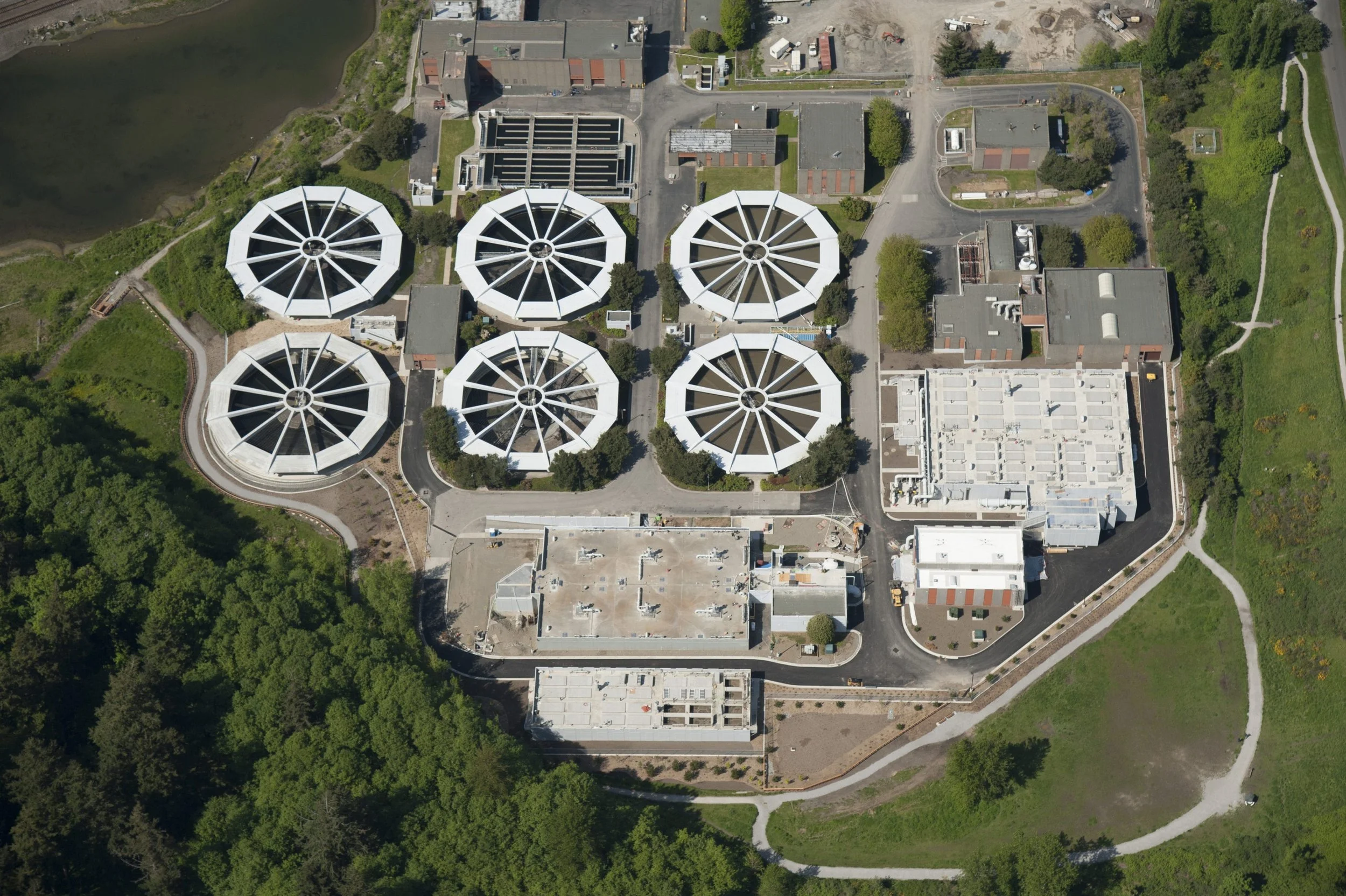
In the City of Bellingham, the wastewater produced by more than 90,000 people is treated at the Post Point Wastewater Treatment plant located in Fairhaven, only a few hundred feet from the coastline of Bellingham Bay and the Salish Sea. This sewage water contains human waste, along with everything else we flush down our drains, including soaps, cleaners, pharmaceuticals, and more—a cocktail of nutrients and toxic chemicals….
READ MORE
Resource Hub
We want to stop burning tax payer dollars. We want to protect our community health. Stop incineration. Support clean air, water, & clean communities starting in Bellingham and beyond.
NEW & trending

Host Kris Halterman talks about environmental issues in & around Bellingham on this episode of Saturday Morning Live with Larry McCarter.
City of Bellingham Documents & Links
The City of Bellingham’s reports & response letters reveal a pattern of delay, misdirection, and leaning into a broken system. Despite a formal Notice of Violation, the city continues investing in outdated incineration methods that undermine environmental commitments and expose the public to health risks.
EPA Documents, Letters & Violations
The EPA’s 2019 Denial Letter and related records confirm Post Point has been operating without basic pollution controls, correct sensors, no dioxin/furan testing, and no approved air permit. These expose systemic non-compliance, repeated permit violations, and a failure to meet Clean Air Act standards. The pattern reveals a dangerous lack of oversight and risk to public health and the environment.
EPA Revision of enforcement of HPVs to Clean Air Act Letter 2016
Search ‘Post Point, Bellingham, WA’
Revision of EPA Enforcement Policy for HPA of the Clean Air Act 2014
Additional Material
Browse additional material for guidance on sewage sludge incineration, permitting requirements, PFAS health risks, and the role of consulting firms like Brown & Caldwell. It underscores that the City has long had access to expert data and safer alternatives but chose to move forward with outdated and polluting practices, often based on flawed or incomplete consultant reports.
Featured News
Bellingham receives notice its wastewater plant violated air quality standards Bellingham Herald, 2024
Sewage burning? Yes, it’s a thing in Western Washington KUOW.org
Podcast Saturday Morning Live - Host Kris Halterman talks about environmental issues in and around Bellingham on this episode of Saturday Morning Live with Larry McCater
These high sewer rates coming as Bellingham replaces treatment plant incinerators Bellingham Herald, 2022
Upgrades ongoing at Post Point as city buys time to find better environmental solution Cascadia Daily News, 2024
Chemicals in sewage sludge fertilizer pose cancer risk, EPA says Phys Org, 2025
Innovative sewage solutions pitched to replace Bellingham’s aging system Cascadia Daily News, 2023
Tiny home village to be displaced by proposed Post Point construction Cascadia Daily News, 2022
Similar News & Resources From Other Areas
Protect Mill Canyon Watershed is a grassroots committee in Lincoln County, WA, organizing to stop the land-application of sewage sludge (biosolids) in their watershed and pushing for a statewide moratorium on such practices pending stronger regulations and scientific oversight
VIEW HERE library of background scientific information on sewage sludge and the Protect Mill Canyon Watershed campaign timeline
Photo library

The City of Bellingham owned incinerator’s that generated % of this ash fill. The ash is mixed with toxic medical waste AKA heavy metals. None of it is lined. Monitoring wells? Gone.

Should include air-modeling due to extraordinary short stacks only 32 feet high, not a normal 60’ stack.

Incinerator stack: testing ports

Incinerator Stack Photos

Flow Monitoring Upgrades

Incinerator Stack 1 & 2 at Post Point WWTP Close Up

Dewatered sludge ready for burning or landfilling

Incinerator Stacks at Post Point WWTP

Example of how PFAS exit a WWTP like Bellingham's Post Point